
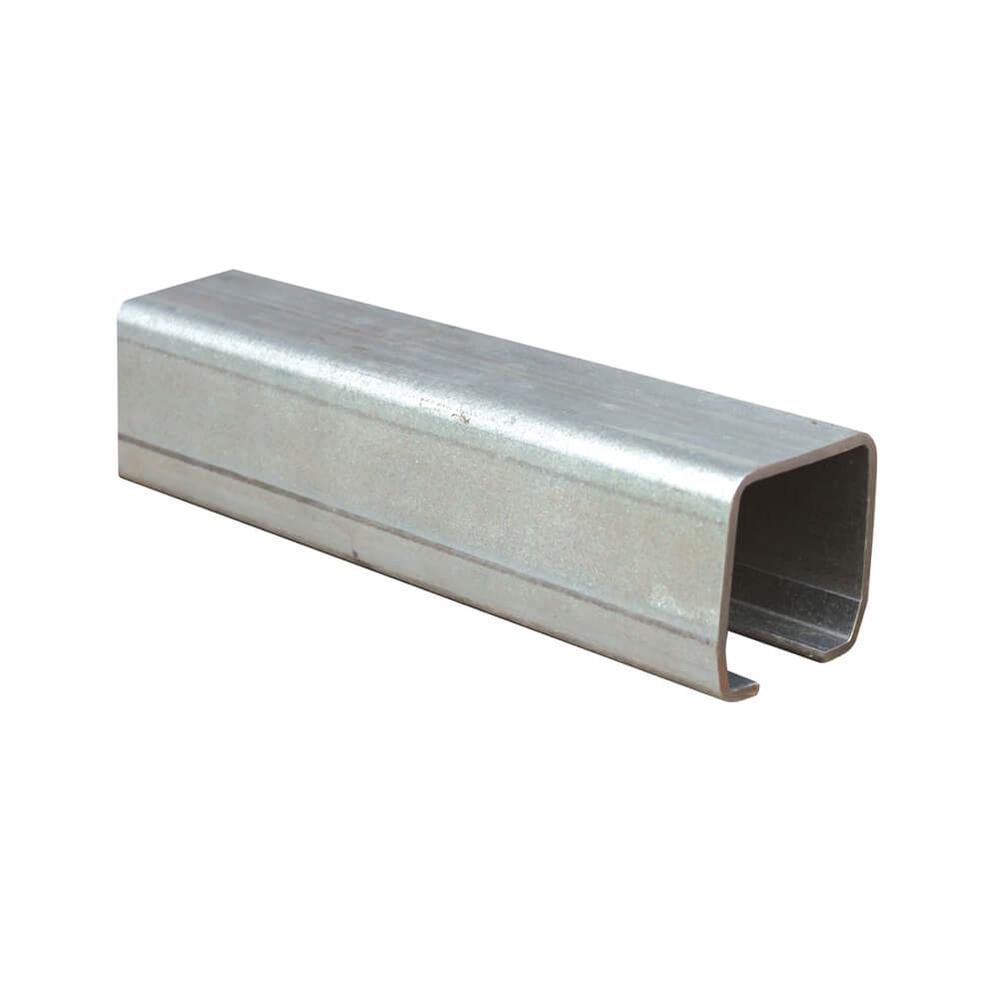
Galvanized profiles are crucial in various industries due to their exceptional strength, durability, and resistance to corrosion. However, to ensure that they meet the specific requirements of a project, it is essential to understand how their thickness and durability are measured. These factors play a significant role in the profile’s overall performance, especially when exposed to harsh environmental conditions. In this blog, we will explore how to measure the thickness and durability of galvanized profiles, ensuring their effectiveness in different applications.
Measuring the Thickness of Galvanized Profiles
The thickness of galvanized profiles directly influences their strength, corrosion resistance, and overall performance. To accurately measure the thickness of galvanized profiles, two key factors need to be considered: the base material thickness and the zinc coating thickness.
The thickness of galvanized profiles directly influences their strength, corrosion resistance, and overall performance. To accurately measure the thickness of galvanized profiles, two key factors need to be considered: the base material thickness and the zinc coating thickness.
Base Material Thickness
The base material, typically made of steel, is measured before the galvanization process. The thickness of the steel is crucial because it determines the structural integrity of the profile.
- Measurement Method: The base material thickness is usually measured with a micrometer or caliper, tools that provide precise readings of the material’s thickness in millimeters (mm) or inches.
Zinc Coating Thickness
The zinc coating applied during the galvanization process is what gives the profile its resistance to corrosion. The thickness of the zinc layer plays a significant role in how well the profile can withstand exposure to moisture, chemicals, and other harsh conditions.
- Measurement Method: To measure the zinc coating thickness, a magnetic induction gauge or ultrasonic thickness gauge is often used. These non-destructive testing (NDT) methods allow for accurate measurement without damaging the material.
The coating thickness can vary depending on the galvanization process used (e.g., hot-dip galvanizing or electro-galvanizing), and it is essential to check the thickness according to the specifications of the application.
Factors Affecting the Thickness of Galvanized Profiles
Several factors influence the thickness of the galvanized layer, and understanding these can help ensure the profiles’ performance.
- Galvanization Process: Hot-dip galvanizing usually produces a thicker coating than electro-galvanizing. The specific process chosen will determine the final thickness of the zinc layer.
- Time and Temperature: The longer the steel remains in the molten zinc bath and the higher the temperature, the thicker the zinc coating tends to be. It’s essential to control both to ensure uniformity.
- Steel Composition: The chemical composition of the steel can affect how well it reacts with the zinc during galvanization, influencing the thickness of the final coating.
Assessing the Durability of Galvanized Profiles
Durability is a critical factor in determining the performance of galvanized profiles in real-world applications. Several methods can be used to assess their durability, particularly regarding corrosion resistance and lifespan.
Corrosion Testing
The primary factor contributing to the durability of galvanized profiles is their resistance to corrosion. Testing methods for assessing corrosion resistance typically include:
- Salt Spray Test (ASTM B117): This accelerated corrosion test involves exposing galvanized profiles to a salt spray environment, simulating harsh marine or industrial conditions. The length of time the profile can withstand the exposure without showing signs of rust or degradation is a key indicator of its durability.
- Field Exposure Testing: Testing galvanized profiles in actual environmental conditions over an extended period can provide valuable insights into their long-term durability. The testing area should include environments like coastal regions or urban industrial zones.
Impact and Abrasion Resistance
Galvanized profiles are often subjected to mechanical stress, so measuring their ability to withstand impact and abrasion is crucial.
- Impact Testing: This test assesses how much force a profile can handle without sustaining damage, which is important in construction and industrial environments where profiles may face heavy loads.
- Abrasion Resistance: Profiles exposed to constant wear and tear, such as in flooring or equipment installations, need to be tested for their ability to resist surface damage caused by friction.
Factors Influencing the Durability of Galvanized Profiles
Several factors influence the durability of galvanized profiles, making it essential to consider these when selecting the right profile for a project:
Maintenance: While galvanized profiles require minimal maintenance, periodic inspections can help prolong their lifespan. Cleaning off debris, checking for physical damage, and ensuring that the zinc coating remains intact can enhance durability.
Environmental Conditions: Exposure to elements such as humidity, saltwater, pollution, and extreme temperatures can significantly impact the lifespan of galvanized profiles.
Thickness of Zinc Coating: The thicker the zinc coating, the better the profile’s corrosion resistance and overall durability. For more aggressive environments, such as coastal or industrial areas, a thicker coating is preferred.
Why Thickness and Durability Matter in Galvanized Profiles
The thickness and durability of galvanized profiles play a vital role in the performance and longevity of a structure. A profile with inadequate thickness may not provide the required resistance to corrosion, leading to premature degradation. Conversely, profiles with excessive coating thickness may not offer additional benefits in certain environments but can be more expensive. Therefore, selecting the right thickness for the specific application is crucial to ensuring that the profile delivers the best value and longevity for the project.
Conclusion
Accurately measuring the thickness and assessing the durability of galvanized profiles are key steps in ensuring the success of construction, industrial, or architectural projects. The right balance between base material thickness and zinc coating thickness, along with proper testing for corrosion resistance and impact, ensures that galvanized profiles perform optimally over time.
By understanding how to measure thickness and durability, you can confidently choose the right galvanized profiles for your project, ensuring long-lasting results and minimal maintenance. Whether for outdoor structures, industrial applications, or critical infrastructure, galvanized profiles offer unmatched performance when designed and manufactured with precision.

