
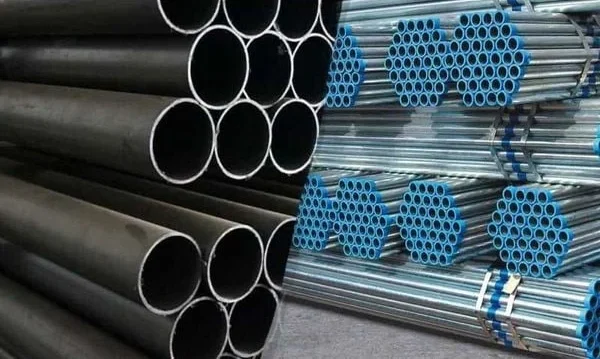
When choosing the right material for a project, one of the most important decisions is selecting the appropriate type of steel. Among the various types of steel available, galvanized steel and black steel are two commonly used options. While both serve similar purposes in construction and industrial applications, they have distinct characteristics and uses. Understanding the differences between galvanized steel and black steel can help you make an informed decision based on the requirements of your specific project. In this blog, we will explore the key differences between galvanized steel and black steel, focusing on their properties, benefits, and applications.
What is Galvanized Steel?
Galvanized steel refers to steel that has been coated with a layer of zinc to prevent rusting and corrosion. This process, known as galvanization, involves dipping the steel into a bath of molten zinc, creating a durable, protective coating on the surface. The zinc layer acts as a barrier to moisture, oxygen, and other elements that can lead to corrosion.
Key Features of Galvanized Steel
- Corrosion Resistance: The primary benefit of galvanized steel is its superior resistance to corrosion, making it ideal for outdoor and industrial applications.
- Durability: The zinc coating protects the steel from environmental factors like rain, humidity, and pollution.
- Long Lifespan: Galvanized steel can last for several decades without showing signs of rust, especially when used in environments that are prone to moisture or chemicals.
What is Black Steel?
Black steel, on the other hand, refers to steel that has not undergone any galvanizing process. It is the raw form of steel that has a natural black oxide coating, which is the result of the manufacturing process and the presence of iron oxide. Black steel has no protective coating, so it is more vulnerable to corrosion compared to galvanized steel.
Key Features of Black Steel
- Raw Steel Surface: Black steel has a rough, uncoated surface, which makes it more prone to corrosion when exposed to moisture.
- Cost-Effective: Since black steel does not require any additional processing like galvanization, it is generally cheaper than galvanized steel.
- Strength: Black steel is strong and can be used for various structural purposes, but it is not as resistant to corrosion as galvanized steel.
Corrosion Resistance
One of the biggest differences between galvanized steel and black steel is their resistance to corrosion.
- Galvanized Steel: The zinc coating on galvanized steel provides a strong barrier against rust and corrosion. This makes it ideal for use in environments where the material will be exposed to moisture, chemicals, or extreme weather conditions, such as in construction, transportation, and outdoor furniture. The galvanization process also gives galvanized steel a longer lifespan compared to black steel, which makes it a preferred choice for long-term projects.
- Black Steel: Black steel lacks a protective layer, which makes it more vulnerable to rust when exposed to water, air, or corrosive elements. It is commonly used in indoor applications or areas that are not exposed to moisture. When used in outdoor environments, black steel may need additional treatment, such as painting or coating, to prevent corrosion.
Appearance
The appearance of these two types of steel also differs significantly.
- Galvanized Steel: Galvanized steel has a shiny, silver-colored finish due to the zinc coating. Over time, the coating may develop a matte finish or a dull appearance, but it remains intact, providing long-lasting protection against corrosion.
- Black Steel: Black steel has a rough, dark surface with a natural black oxide finish. The appearance is less aesthetically pleasing than galvanized steel and may require additional finishing or coating if a cleaner or more polished look is desired.
Applications of Galvanized Steel and Black Steel
Both galvanized steel and black steel are versatile materials used in various applications, but their suitability depends on the specific requirements of the project.
Applications of Galvanized Steel
- Outdoor Structures: Due to its corrosion resistance, galvanized steel is widely used in fencing, roofing, signage, and bridges.
- Construction: It is used in structural beams, steel framing, and reinforcement bars for buildings that require long-lasting durability.
- Automotive Industry: Galvanized steel is commonly used in car parts, including bumpers and underbody components, that are exposed to harsh weather conditions.
Applications of Black Steel
- Piping: Black steel is frequently used for pipes and tubing in construction, plumbing, and heating systems, particularly for gas lines and water pipes.
- Structural Applications: Black steel is used in structural applications where corrosion is not a primary concern, such as in frameworks, supports, and steel beams in buildings.
- Manufacturing: It is also used in manufacturing products that do not require protective coatings, such as tools and automotive components.
Cost Comparison
In general, black steel is more affordable than galvanized steel. The price difference is due to the additional costs associated with the galvanization process. Galvanized steel requires more energy and labor to apply the zinc coating, which makes it more expensive. However, the long-term cost savings due to the extended lifespan and reduced maintenance needs of galvanized steel can make it more economical in certain applications.
Conclusion
Both galvanized steel and black steel offer valuable benefits depending on the needs of your project. If corrosion resistance, durability, and long-term performance are crucial, galvanized steel is the ideal choice. It is particularly suited for outdoor or high-moisture environments where protection against rust is essential. On the other hand, black steel is a cost-effective option for projects where corrosion resistance is not as critical, and it is ideal for indoor applications or environments with controlled conditions.
Understanding the differences between galvanized and black steel, as well as the specific requirements of your project, will help you make the best material choice for your needs. Whether you need a corrosion-resistant material for outdoor structures or a more economical option for indoor applications, both types of steel have their place in modern construction and manufacturing.

