
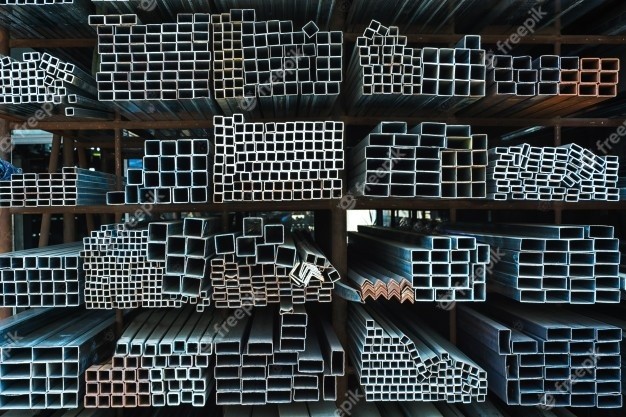
Galvanized profiles are essential components in construction, manufacturing, and various industrial applications. These profiles, made of steel coated with a layer of zinc, provide excellent protection against corrosion and ensure the longevity and durability of structures. However, one key consideration when working with galvanized profiles is understanding the different dimensions available, as they can significantly impact the design and functionality of your project.
In this blog post, we will explore the various dimensions of galvanized profiles and how to choose the right ones for your specific needs.
Standard Dimensions of Galvanized Profiles
Galvanized profiles come in a variety of shapes and sizes, depending on the application. While the precise measurements can vary based on the manufacturer and country standards, there are common standard dimensions that are widely used in the industry. These profiles are typically categorized into several types, each with its own set of dimensions:
- C-Profile (C-Channel): Commonly used in structural applications, C-profiles generally range from 50 mm to 400 mm in height and 30 mm to 200 mm in flange width. The thickness of the steel used in C-profiles typically varies from 2 mm to 6 mm, depending on the strength required for the application.
- U-Profile (U-Channel): U-profiles are used in a variety of construction projects, from framing to bracing. These profiles can range from 30 mm to 300 mm in height, with flange widths typically between 30 mm and 150 mm. Their thickness can also vary from 1.5 mm to 5 mm.
- Z-Profile: Z-profiles are often used in the construction of roofs and walls. They typically come in sizes ranging from 100 mm to 350 mm in height and a flange width between 50 mm and 150 mm. The thickness of Z-profiles usually varies from 1.5 mm to 4 mm.
- L-Profile (Angle Profile): L-profiles are commonly used for corner reinforcement and bracing. These profiles are available in a variety of sizes, with angles typically ranging from 30° to 90°. The leg lengths can vary from 25 mm to 150 mm, with thicknesses ranging from 2 mm to 6 mm.
- Flat Profiles: Flat profiles are typically used in flooring, roofing, or cladding applications. The standard width for flat profiles ranges from 50 mm to 300 mm, with thicknesses typically between 2 mm and 8 mm.
Customizing Galvanized Profile Dimensions
While standard dimensions of galvanized profiles are readily available, one of the significant advantages of galvanized steel is its customizability. Manufacturers can create profiles according to the specific requirements of a project. Custom dimensions allow builders to match the exact specifications needed for unique construction applications, ensuring that the galvanized profiles fit seamlessly into the design and structural needs of the project.
Factors that may influence the customization of galvanized profile dimensions include:
- Load-bearing requirements: Depending on the weight or load the structure must support, thicker profiles or larger dimensions may be necessary.
- Space constraints: In some cases, profiles need to fit into tight spaces, which might require smaller dimensions or specialized shapes.
- Aesthetic considerations: In design-heavy projects, the size and shape of the profile might be adjusted to fit the overall aesthetic vision.
Choosing the Right Galvanized Profile Dimensions for Your Project
Selecting the correct dimensions for your galvanized profiles is critical for ensuring that your construction project is both structurally sound and efficient. Here are some factors to consider when choosing the right profile sizes:
- Application Type: Consider the type of construction or industrial project you’re working on. Are you building a large commercial building, a residential structure, or perhaps a bridge? The type of structure will dictate the profile dimensions needed.
- Load-Bearing Capacity: Larger profiles are typically used for heavy-duty applications that require additional strength and support. For lighter applications, smaller profiles may suffice.
- Environmental Factors: Exposure to extreme weather conditions can impact the size and type of galvanized profiles you need. For example, if the structure will be exposed to high winds or heavy rain, you may need larger profiles for added stability.
- Design Requirements: Consider the aesthetic and functional needs of your project. Custom profiles may be required to fit specific design features or to blend with the architectural style.
Benefits of Properly Sized Galvanized Profiles
Using the right galvanized profile dimensions in your construction project offers numerous benefits, including:
- Enhanced Structural Integrity: The correct size ensures the strength and stability of the structure, preventing issues like buckling, sagging, or failure under load.
- Cost Efficiency: By selecting the right profile size, you avoid wasting material and reduce unnecessary costs associated with over- or under-sized profiles.
- Better Performance: Properly dimensioned profiles provide optimal performance, ensuring that your building or infrastructure project meets the required standards for safety, durability, and functionality.
Conclusion
Understanding the dimensions of galvanized profiles is essential for making informed decisions in construction and industrial applications. Whether you’re using C-profiles, U-profiles, or flat profiles, choosing the correct size ensures the longevity, durability, and performance of your structure. By selecting the right galvanized profile dimensions, you can optimize your project for both cost-efficiency and safety.
If you have a specific project in mind and are unsure about the dimensions needed, consider consulting with a professional to ensure that you select the appropriate galvanized profiles for your needs. With the right dimensions, you’ll be able to secure a high-quality and long-lasting structure for years to come.

