
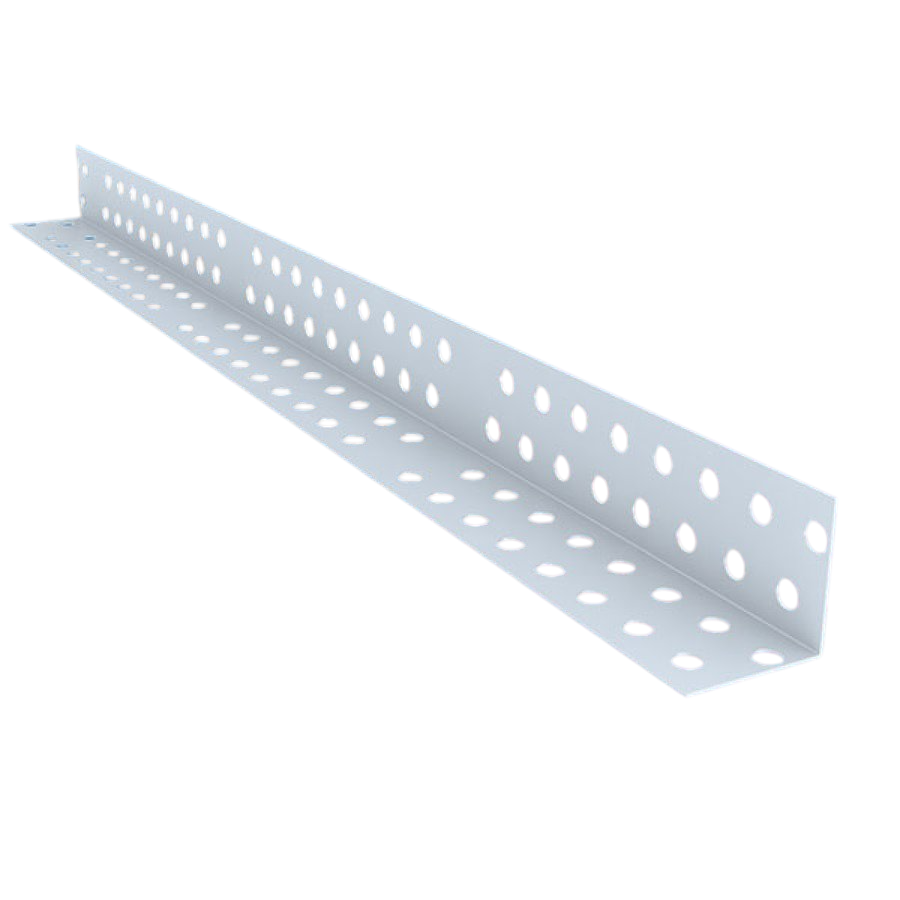
Plastic profiles are essential components in many industries, offering a versatile, durable, and cost-effective solution for various construction and manufacturing needs. Whether you’re building, renovating, or creating innovative products, plastic profiles play a crucial role in providing structural integrity, aesthetic appeal, and long-lasting performance. But what exactly are plastic profiles, and where are they used? In this blog, we will explore the definition of plastic profiles, their types, and the wide range of applications in which they are used.
What Are Plastic Profiles?
Plastic profiles are pre-formed shapes or sections made from plastic materials, often designed to serve as structural elements or decorative components. These profiles are produced through processes such as extrusion, where plastic is melted and shaped into a continuous profile that can be cut to the desired length. Plastic profiles come in various forms, including angles, edges, trim, frames, and mouldings, among others.
The materials used to create plastic profiles can vary, but the most common include:
- PVC (Polyvinyl Chloride): Known for its durability and resistance to chemicals, moisture, and wear.
- Polyethylene (PE): Lightweight, flexible, and resistant to abrasion.
- Polycarbonate (PC): Strong, impact-resistant, and transparent.
- Acrylic (PMMA): Offers excellent clarity and UV resistance.
- ABS (Acrylonitrile Butadiene Styrene): Known for its toughness and impact resistance.
These materials give plastic profiles unique properties, making them suitable for a wide range of applications.
Where Are Plastic Profiles Used?
Plastic profiles have diverse applications across multiple industries. Below are some key areas where plastic profiles are commonly used:
1. Construction Industry
Plastic profiles are frequently used in construction projects, offering a versatile solution for various structural and finishing needs. Some examples include:
- Window and Door Frames: Plastic profiles, especially those made from PVC, are commonly used in window and door frames due to their resistance to weathering, ease of maintenance, and energy efficiency.
- Wall and Ceiling Profiles: Plastic profiles are often used to cover joints and edges in drywall and ceiling installations, providing a neat and protective finish.
- Skirting and Moulding: Decorative plastic profiles are used as skirting boards and mouldings to enhance the aesthetics of rooms while also protecting wall edges from damage.
2. Automotive Industry
In the automotive sector, plastic profiles are utilized for a variety of applications due to their lightweight and durable properties. Common uses include:
- Trim and Seals: Plastic profiles are used for window seals, door trims, and body molding.
- Interior Components: Plastic profiles are found in dashboard components, interior panels, and door liners.
- Weather Stripping: Plastic profiles offer excellent sealing solutions, providing weatherproofing for automotive doors and windows.
3. Electrical and Electronics
Plastic profiles are integral in the electrical and electronics industries, where they are used for insulation, protection, and structural support:
- Cable Management: Plastic profiles, such as cable ducts and conduits, are used to organize and protect electrical cables.
- Electrical Housings: Plastic profiles are used to create protective casings and enclosures for electrical components, ensuring safety and durability.
- LED Lighting Profiles: Plastic profiles are used in LED lighting installations to house the lighting strips and provide a neat and professional finish.
4. Furniture and Interior Design
In furniture making and interior design, plastic profiles are widely used for both structural and decorative purposes:
- Furniture Edging: Plastic profiles are often applied to the edges of furniture pieces to protect them from damage and provide a finished look.
- Cabinet Trims: Plastic profiles are used in the construction of kitchen cabinets, bathroom vanities, and shelving units to enhance both functionality and aesthetics.
- Wall Paneling: Plastic profiles are used in wall paneling systems, offering easy installation and a polished appearance.
5. Signage and Advertising
Plastic profiles play a vital role in the creation of signs and advertisements:
- Sign Frames: Plastic profiles are used to create frames for outdoor and indoor signage.
- Lettering and Logos: Plastic profiles can be molded into letters or logos, providing a durable, weather-resistant solution for commercial and promotional signage.
6. Packaging Industry
In the packaging industry, plastic profiles are used for various applications:
- Protective Edge Profiles: Plastic profiles are used to protect the edges of packaged goods, especially during transportation.
- Packaging Seals: Plastic profiles are used to create sealing mechanisms for packaging, ensuring that products are securely enclosed.
Advantages of Plastic Profiles
Plastic profiles offer numerous benefits, making them an attractive option for various applications:
- Durability: Plastic profiles are resistant to wear and tear, UV rays, and environmental factors, ensuring a long lifespan.
- Lightweight: Plastic profiles are lighter than metal profiles, making them easier to handle, transport, and install.
- Cost-Effective: Plastic profiles are often more affordable than their metal counterparts, making them a budget-friendly option.
- Easy Maintenance: Plastic profiles are easy to clean and maintain, requiring little more than occasional wiping to keep them looking new.
- Customization: Plastic profiles can be molded into various shapes, sizes, and colors, offering flexibility in design and function.
Conclusion
Plastic profiles are incredibly versatile components used across a wide range of industries, including construction, automotive, electrical, furniture, and more. With their durability, cost-effectiveness, and ease of use, plastic profiles offer a practical solution for both functional and decorative applications. Whether you’re involved in a construction project, designing furniture, or creating signage, plastic profiles provide a durable and flexible solution that meets your needs.

