
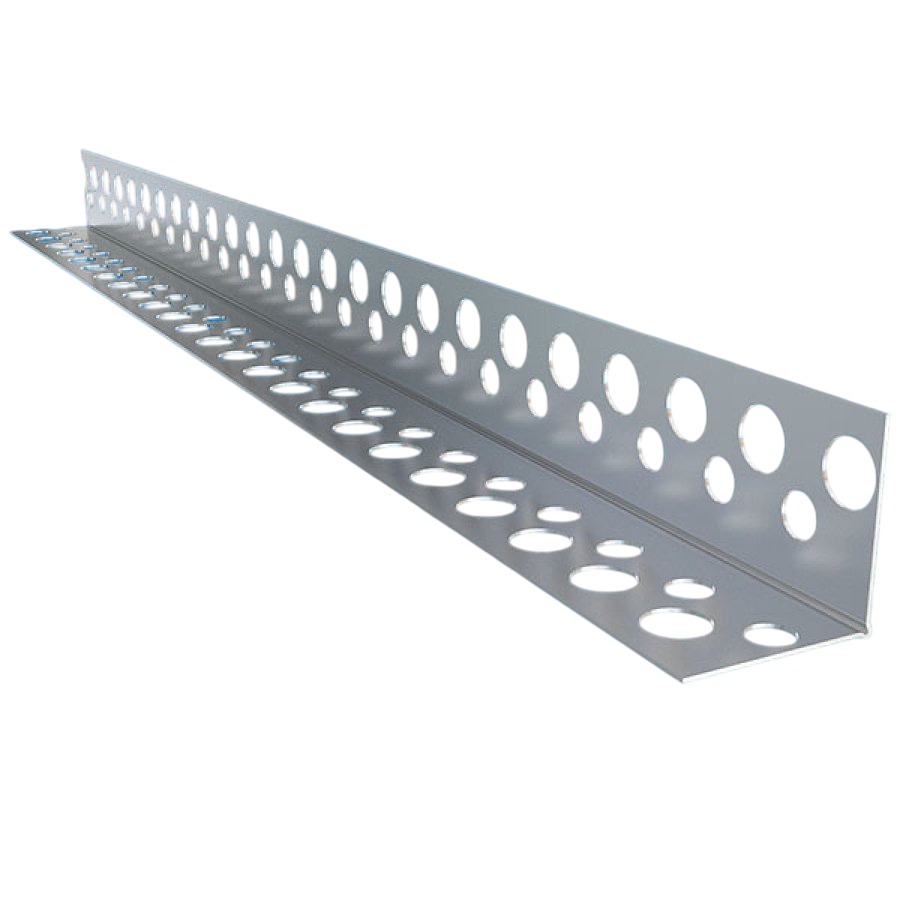
Aluminum profiles are incredibly versatile, lightweight, and durable components widely used across various industries. They are manufactured through an extrusion process where aluminum is forced through a mold to form specific shapes. These profiles come in a variety of designs, making them suitable for a wide range of applications in different sectors. In this blog post, we will explore what aluminum profiles are, how they are made, and where they are commonly used.
What Are Aluminum Profiles?
Aluminum profiles are precisely extruded shapes made from aluminum alloy, a material known for its lightweight, corrosion-resistant, and durable properties. The extrusion process involves heating aluminum billets and pushing them through a die to form a specific cross-sectional shape, which can then be cut into the required lengths. The profiles can come in many forms, such as L-shaped, U-shaped, T-shaped, and rectangular, or even custom designs to meet the specific needs of different industries.
Aluminum profiles can be finished in various ways, including anodizing, powder coating, or polishing, to enhance their appearance and durability. These finishes provide additional protection against corrosion, making aluminum profiles suitable for both indoor and outdoor applications.
Key Characteristics of Aluminum Profiles
Lightweight: Aluminum is much lighter than many other metals, making aluminum profiles easy to handle and install.
Corrosion Resistance: Aluminum naturally forms a protective oxide layer when exposed to air, which helps it resist corrosion and rust, even in harsh environments.
Strength and Durability: Despite being lightweight, aluminum is a strong material, offering excellent structural support.
Recyclability: Aluminum is 100% recyclable without losing its properties, making it an eco-friendly choice for many applications.
Malleability: Aluminum can be easily molded into different shapes, offering design flexibility for various uses.
Where Are Aluminum Profiles Used?
Aluminum profiles have a broad range of applications in various industries due to their unique properties. Here are some common sectors where they are used:
1. Construction and Architecture
In the construction industry, aluminum profiles are extensively used in the building of windows, doors, facades, curtain walls, and roofing systems. The lightweight nature of aluminum makes it an excellent material for creating structures that are strong yet easy to install. Aluminum profiles also offer aesthetic appeal, allowing for sleek, modern designs with various finishes.
- Window and Door Frames: Aluminum is commonly used for window and door frames because of its resistance to weathering and rust.
- Structural Components: Aluminum profiles are used for creating beams, columns, and other structural elements in buildings.
- Facade Cladding: The material’s durability and resistance to corrosion make it ideal for use in building facades exposed to the elements.
2. Automotive Industry
In the automotive industry, aluminum profiles are used to reduce vehicle weight while maintaining strength and safety. Aluminum’s lightweight properties help improve fuel efficiency and reduce carbon emissions, making it a preferred material in the manufacturing of vehicles, especially in electric vehicles (EVs).
- Chassis and Frames: Many car manufacturers use aluminum profiles in the construction of car chassis and frames to reduce the overall weight of the vehicle.
- Interior Components: Aluminum profiles are used for interior design elements, such as dashboard frames, trims, and panels.
- Heat Exchange Systems: Due to its excellent thermal conductivity, aluminum is also used in the production of car radiators and cooling systems.
3. Electronics and Electrical Industry
Aluminum profiles are also widely used in the electronics industry, particularly for the production of enclosures, heat sinks, and cable management systems. Aluminum’s thermal conductivity is beneficial in dissipating heat generated by electronic devices, such as computers, lighting, and electrical equipment.
- Heat Sinks: Aluminum profiles are commonly used to manufacture heat sinks for electronic devices to prevent overheating.
- Cable Trays and Racks: Aluminum is used in creating cable management systems to organize and protect electrical cables.
- Enclosures: Aluminum profiles are used in the construction of enclosures for electrical equipment to provide durability and protection from external factors.
4. Furniture Industry
Aluminum profiles are increasingly being used in the furniture industry, particularly for office furniture, workstations, shelving systems, and modular furniture designs. Their lightweight nature, strength, and modern aesthetic make them ideal for creating sleek and functional designs.
- Office Desks and Workstations: Aluminum profiles are often used to create the framework for office desks, conference tables, and workstations.
- Modular Shelving Systems: The flexibility of aluminum allows for the design of adjustable and modular shelving systems that can be customized for different spaces.
- Furniture Frames: Aluminum is used to create the frames of modern furniture pieces, offering a combination of strength and contemporary appeal.
5. Signage and Display Systems
Aluminum profiles are commonly used in the signage industry to create frames, stands, display boards, and lightboxes. Their lightweight, strong, and corrosion-resistant properties make them ideal for both indoor and outdoor signage applications.
- Sign Frames: Aluminum profiles are used to make sturdy and sleek frames for signs and advertisements.
- Display Stands: Many retail and exhibition displays are made with aluminum profiles, ensuring durability and a modern look.
- Lightboxes: Aluminum profiles are often used for creating lightboxes for illuminated signage and advertisements.
6. Renewable Energy Industry
Aluminum profiles are also utilized in the renewable energy sector, especially in solar panel frames and mounting systems. Their corrosion resistance, lightweight, and strength make aluminum profiles ideal for use in outdoor applications exposed to weather conditions.
- Solar Panel Frames: Aluminum profiles are used to create durable and lightweight frames for solar panels, helping to support and position the panels.
- Wind Turbine Components: Some parts of wind turbines, such as mounting brackets and structural supports, are made from aluminum profiles to reduce weight and enhance performance.
Conclusion
Aluminum profiles are versatile, durable, and cost-effective components used in a wide variety of industries. From construction and automotive to electronics and renewable energy, aluminum profiles offer numerous benefits, including lightweight, corrosion resistance, and strength. As industries continue to focus on sustainable and high-performance materials, aluminum profiles are expected to remain a top choice for manufacturers, architects, and engineers around the world.
Whether you’re building a home, designing a vehicle, or developing a new electronic product, aluminum profiles provide a reliable solution for your needs. Their flexibility in design and functionality makes them an essential material across many sectors, and their use is only expected to grow in the future.

