
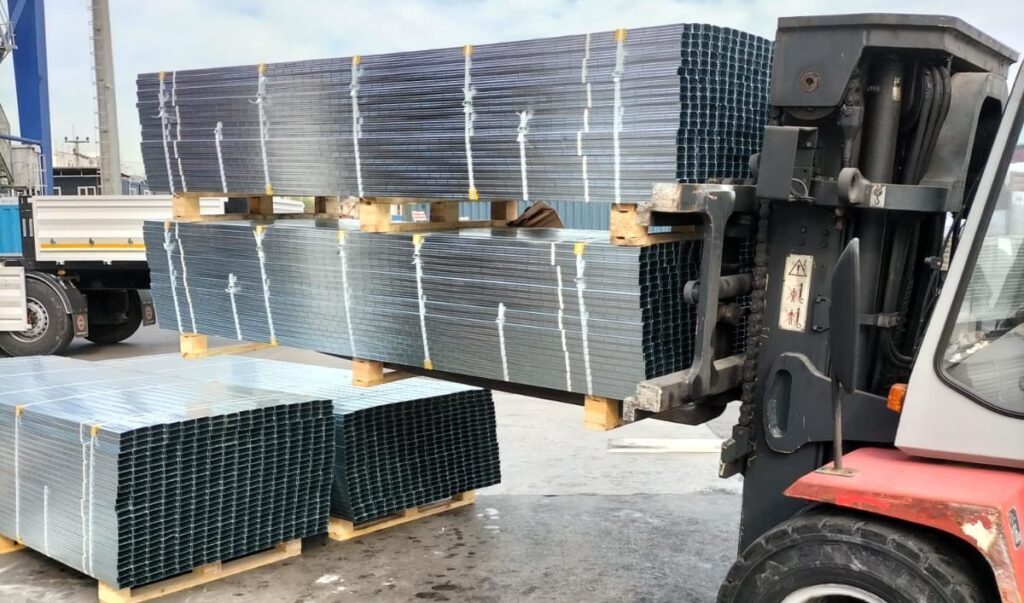
Galvanized profiles are indispensable components in construction, infrastructure, and industrial projects worldwide. Their corrosion resistance, durability, and cost-efficiency make them a preferred material across diverse industries. This article explores the global use of galvanized profiles and the emerging trends shaping their future.
Global Applications of Galvanized Profiles
Galvanized profiles are used extensively in regions with varying climatic and industrial requirements. Their versatility ensures applicability in both developed and developing countries.
Construction Industry
- North America: Galvanized profiles are widely used in steel-framed buildings, bridges, and residential structures, particularly for their ability to withstand extreme weather conditions.
- Europe: A focus on sustainable and energy-efficient buildings drives the demand for galvanized materials in both commercial and residential projects.
- Asia-Pacific: Rapid urbanization and infrastructure expansion in countries like China and India have increased the consumption of galvanized profiles in large-scale projects.
Infrastructure Development
- Middle East: These profiles are used in oil rigs, pipelines, and desalination plants to combat harsh, corrosive environments.
- Africa: Galvanized profiles are instrumental in constructing roads, bridges, and water management systems in developing regions.
Industrial Applications
Galvanized profiles are essential in industries such as automotive, agriculture, and renewable energy. For example:
- Automotive: Used in vehicle frames and safety components to enhance longevity.
- Renewable Energy: Solar panel supports and wind turbine structures often rely on galvanized materials.
Emerging Trends in Galvanized Profiles
As technology and environmental concerns evolve, new trends are reshaping the production, design, and usage of galvanized profiles globally.
Sustainability and Eco-Friendly Practices
The demand for eco-friendly materials has encouraged manufacturers to adopt sustainable production techniques. This includes recycling zinc and reducing the carbon footprint of galvanization processes.
Smart Coatings and Advanced Materials
Innovative coatings, such as self-healing and nano-structured zinc layers, are being developed to provide better corrosion resistance and longer life spans.
Lightweight and High-Strength Profiles
Engineers are designing lighter galvanized profiles without compromising strength, making them ideal for modern construction and industrial applications.
Increased Automation in Production
The integration of AI and robotics in manufacturing galvanization processes ensures higher precision and efficiency, reducing waste and improving consistency.
Aesthetic Customizations
As galvanized profiles find increased usage in architectural designs, manufacturers are offering customized profiles with enhanced aesthetic appeal, including textured or colored coatings.
The Future of Galvanized Profiles
The global demand for galvanized profiles is expected to grow, driven by factors such as urbanization, infrastructure development, and renewable energy projects. Key growth areas include:
- Smart Cities: Galvanized profiles will play a vital role in building sustainable and technologically advanced urban infrastructure.
- Energy Transition: As renewable energy adoption increases, the need for durable and eco-friendly materials will boost the use of galvanized profiles.
- Industrial Expansion: Growing industries, particularly in emerging markets, will continue to drive demand.
Conclusion
alvanized profiles are a cornerstone of modern development, combining durability, versatility, and sustainability. With increasing applications and emerging trends, their global relevance is set to rise further in the coming years.
Whether you’re constructing buildings, bridges, or renewable energy projects, galvanized profiles offer a reliable solution. By staying ahead of trends and incorporating innovative technologies, industries can continue to benefit from this indispensable material.

