
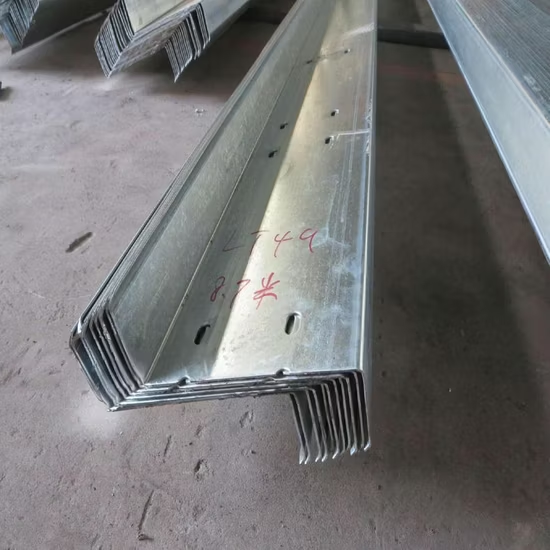
In the world of construction and industrial design, specialized materials are essential for ensuring structural stability and longevity. Among these materials, galvanized Z-profiles stand out due to their unique shape and versatile applications. These profiles, shaped like the letter “Z,” offer strength, flexibility, and resistance to corrosion, making them a popular choice for various projects.
In this blog, we’ll explore what galvanized Z-profiles are, their characteristics, and the industries where they play a vital role.
What Is a Galvanized Z-Profile?
A galvanized Z-profile is a structural steel component with a “Z” shaped cross-section. This distinct shape consists of:
- A central web: The vertical middle section providing rigidity.
- Two flanges: Angled extensions on either side of the web, positioned in opposite directions.
The term “galvanized” refers to the zinc coating applied to the steel during manufacturing. This coating acts as a protective barrier, preventing rust and corrosion, even in challenging environments.
Z-profiles come in various sizes and thicknesses, allowing them to meet the diverse requirements of different construction and industrial projects.
Key Features of Galvanized Z-Profiles
Corrosion Resistance:
The zinc coating shields the steel core from rust, ensuring durability in humid or outdoor environments.
Lightweight Yet Strong:
Z-profiles combine high strength with low weight, making them easy to transport and install without compromising structural integrity.
Versatile Design:
Their “Z” shape allows for overlapping joints and flexible configurations, ideal for complex structural needs.
Customizable Dimensions:
Z-profiles are available in various sizes and thicknesses, tailored to specific project requirements.
Cost-Effective:
With their long-lasting performance and minimal maintenance needs, galvanized Z-profiles offer excellent value for money.
Where Are Galvanized Z-Profiles Used?
The unique properties of Z-profiles make them suitable for a wide range of applications across different industries. Here are some of their primary uses:
1. Roofing and Cladding Systems
Z-profiles are frequently used in roofing and wall cladding systems. Their shape enables them to interlock seamlessly, providing a sturdy framework for supporting panels and sheets.
2. Purlins in Steel Structures
As purlins, Z-profiles serve as horizontal supports in steel-framed buildings. Their lightweight design makes them ideal for spanning long distances while maintaining structural stability.
3. Automotive and Transportation Industries
In vehicle manufacturing, Z-profiles are used in the frames and reinforcements of trailers, buses, and other transport systems. Their strength and lightweight properties improve performance and efficiency.
4. Agricultural Buildings
Z-profiles are a popular choice for agricultural structures such as barns, silos, and greenhouses. Their corrosion resistance ensures durability in environments exposed to moisture and chemicals.
5. Renewable Energy Installations
In the renewable energy sector, Z-profiles are used to construct frameworks for solar panels and wind turbines. Their ability to withstand environmental stresses makes them a reliable choice for these applications.
6. Industrial Shelving and Storage Racks
The “Z” shape provides excellent load-bearing capacity, making galvanized Z-profiles ideal for heavy-duty shelving units and storage systems in warehouses.
7. DIY and Home Improvement Projects
For smaller-scale projects, Z-profiles are often used to create durable and aesthetically pleasing frameworks for fences, gates, and furniture.
Advantages of Using Galvanized Z-Profiles
Enhanced Durability: The zinc coating ensures long-lasting resistance to environmental factors.
Design Flexibility: Their shape and versatility make them suitable for a wide range of structural applications.
Low Maintenance: Galvanized Z-profiles require minimal upkeep, reducing long-term costs.
Eco-Friendly Material: Steel is recyclable, and galvanized profiles contribute to sustainable construction practices.
Choosing the Right Z-Profile for Your Project
When selecting a Z-profile for your project, consider the following factors:
- Load Requirements: Ensure the profile’s thickness and size match the structural demands of your project.
- Environmental Conditions: Opt for galvanized profiles that meet the required standards for outdoor or corrosive environments.
- Application Needs: Customize the dimensions and design based on your specific use case.
Conclusion
Galvanized Z-profiles are an indispensable component in modern construction and industrial projects. Their unique shape, combined with corrosion resistance and strength, makes them a reliable choice for a variety of applications. From roofing systems to renewable energy installations, these profiles offer the flexibility and durability needed to build long-lasting structures.
If you’re considering galvanized Z-profiles for your next project, consult with a trusted supplier to ensure you get the right dimensions and specifications tailored to your needs.

